

 Feed back
 Privacy Policy
Gemini
The traditional four-year degree is rapidly losing its monopoly as the gold standard for career advancement. With 65% of US employers now prioritizing skill-based learning over academic pedigrees (BLS 2023), micro-credentials have emerged as the disruptive force transforming professional learning. This seismic shift responds to two critical market failures: the $1.7 trillion student debt crisis and the 43-day average time-to-hire for tech roles (LinkedIn 2023).
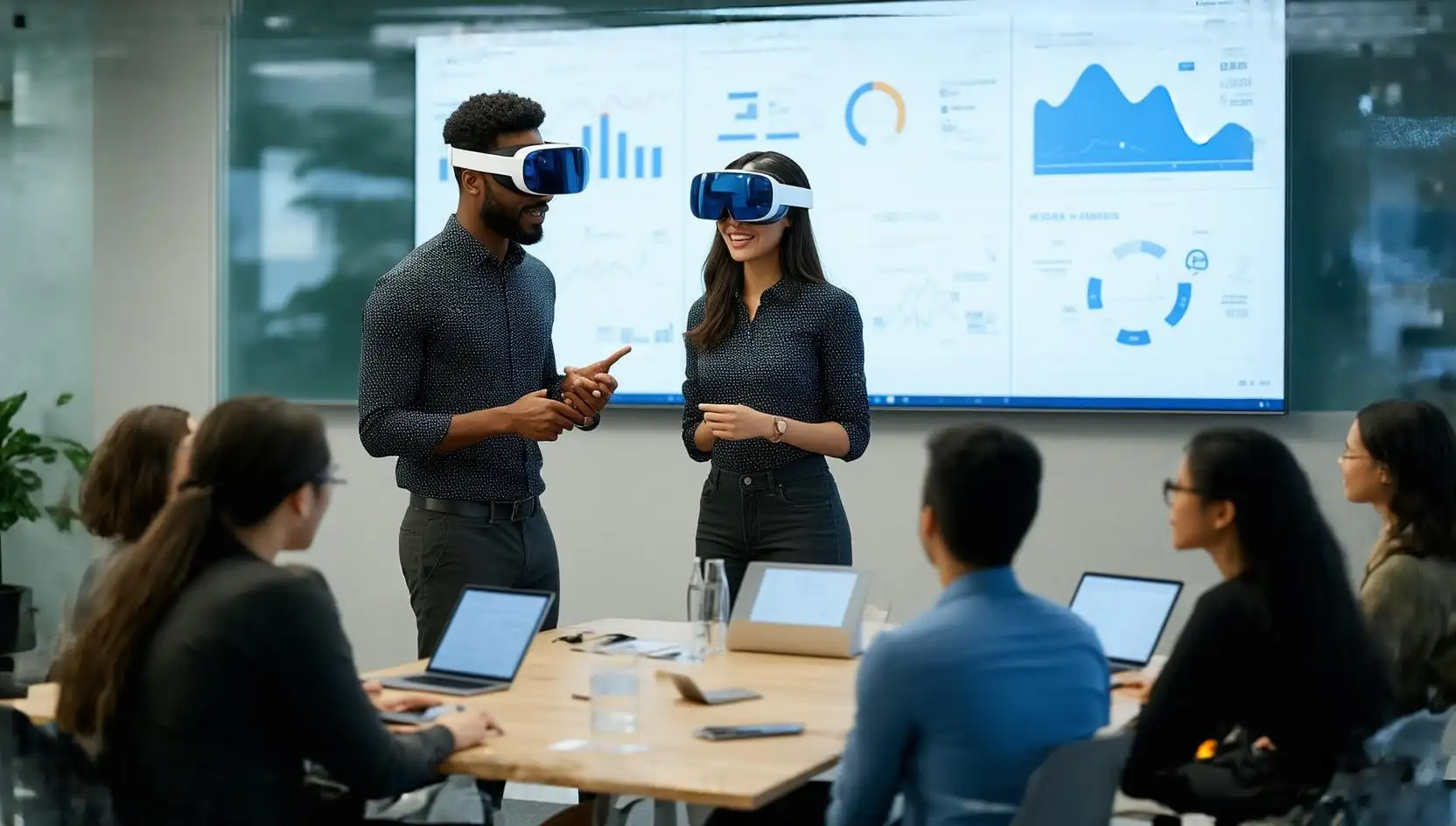
Tech giants are rewriting the rules of talent acquisition through short-term certifications. Google's IT Support Certificate program boasts a 82% job placement rate within 6 months (Coursera 2023), while IBM has issued over 4 million digital badges for quantum computing and AI skills. Amazon's $1.2 billion Upskilling 2025 initiative demonstrates how micro-credentials solve the $8.5 trillion global skills gap (World Economic Forum).
The US short-term certifications market grew 28% YoY (BLS 2023), with cybersecurity and data analytics credentials commanding 15-20% salary premiums. Notably, 61% of non-traditional learners now combine multiple micro-credentials to build career pathways (Strada Education 2023). This modular approach reduces training costs by 73% compared to traditional degrees (Deloitte 2023).
Unlike degree programs burdened by 120-credit hour requirements, skill-based learning through micro-credentials delivers job-ready abilities in 4-12 weeks. Northeastern University's research shows digital badges improve hiring outcomes by 47% for non-degreed candidates. The ROI is clear: $17,000 average salary boost versus $100,000+ degree costs (Georgetown CEW 2023).
Open Badges 3.0 standard has enabled 82% of Fortune 500 companies to parse digital badges metadata during recruitment. Walmart's Live Better U program uses badge stacks for internal promotions, while Purdue's Passport system lets students convert micro-credentials into academic credits. This interoperability is key to their 89% employer recognition rate (1EdTech 2023).
The $2B Workforce Innovation Act now funds short-term certifications in 38 states, with California's Community Colleges issuing 140,000 badges annually. At federal level, the Department of Labor's RAPIDS program connects micro-credentials to apprenticeship pathways, while NIST's Cybersecurity Framework integrates them into national standards.
72% of universities now offer digital badges (AAC&U 2023), with Arizona State's Universal Learner model leading the charge. Their "Education as a Service" approach lets students accumulate micro-credentials toward degrees - a model reducing time-to-degree by 40% and costs by 60% (ASU 2023 Annual Report).
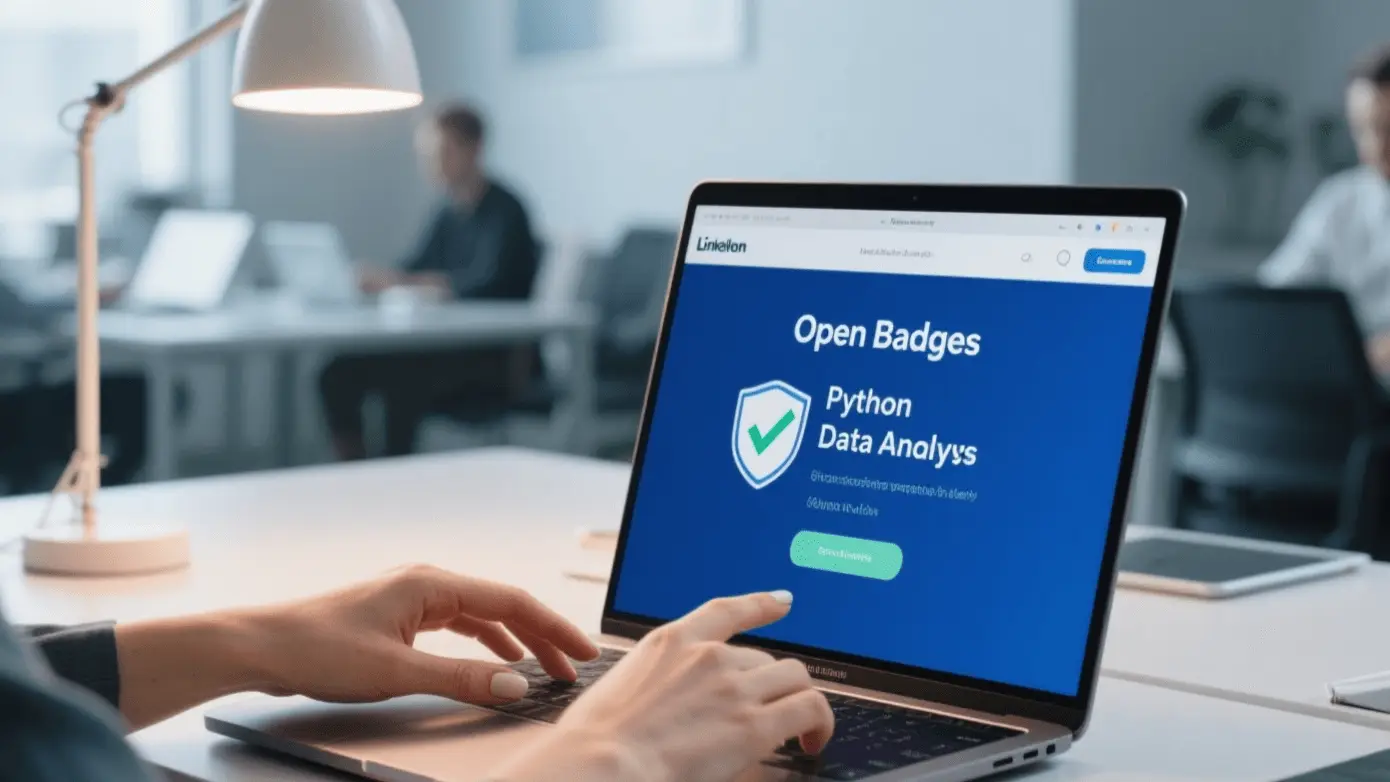
With 4,800 providers issuing micro-credentials, concerns about quality variance persist. The Credential Engine registry now tracks 160,000 unique credentials, while the Non-Degree Credential Research Center provides third-party validation. Standardization efforts like the Connecting Credentials Framework aim to prevent credential inflation currently affecting 23% of IT certifications (CompTIA 2023).
SHRM's 2023 survey reveals 68% of HR leaders need better tools to evaluate digital badges. In response, the Digital Credentials Consortium - comprising MIT, Harvard and 12 global employers - is developing blockchain-based verification. Meanwhile, Colorado's Skillful Initiative trains hiring managers to assess skill-based learning outcomes, already improving hiring efficiency by 35%.
1. Which industries value micro-credentials most?
Tech (92% adoption), healthcare (85%), and advanced manufacturing (79%) lead in recognizing micro-credentials (Burning Glass 2023).
2. How are digital badges verified?
Using Open Badges 3.0's cryptographic signatures and blockchain ledgers maintained by 1EdTech consortium members.
3. Can badges replace college transcripts?
37% of universities now accept badge portfolios for credit (NSC 2023), with Western Governors University pioneering full transcript replacement.
Disclaimer: This content is for informational purposes only and does not constitute professional advice. Consult qualified experts before making education or career decisions. No liability is assumed for actions taken based on this information.
Hernandez
|
2025.08.28
