

 Feed back
 Privacy Policy
Gemini
In today's fast-evolving U.S. job market, where automation and artificial intelligence are reshaping industries overnight, lifelong learning has become more than a buzzword—it's a survival strategy. Gone are the days when a college degree guaranteed a stable career path. Now, professionals must continuously adapt, and the key to career adaptability lies in embracing continuous education. Whether you're a recent graduate or a mid-career professional, the ability to learn and relearn is no longer optional. It's essential.
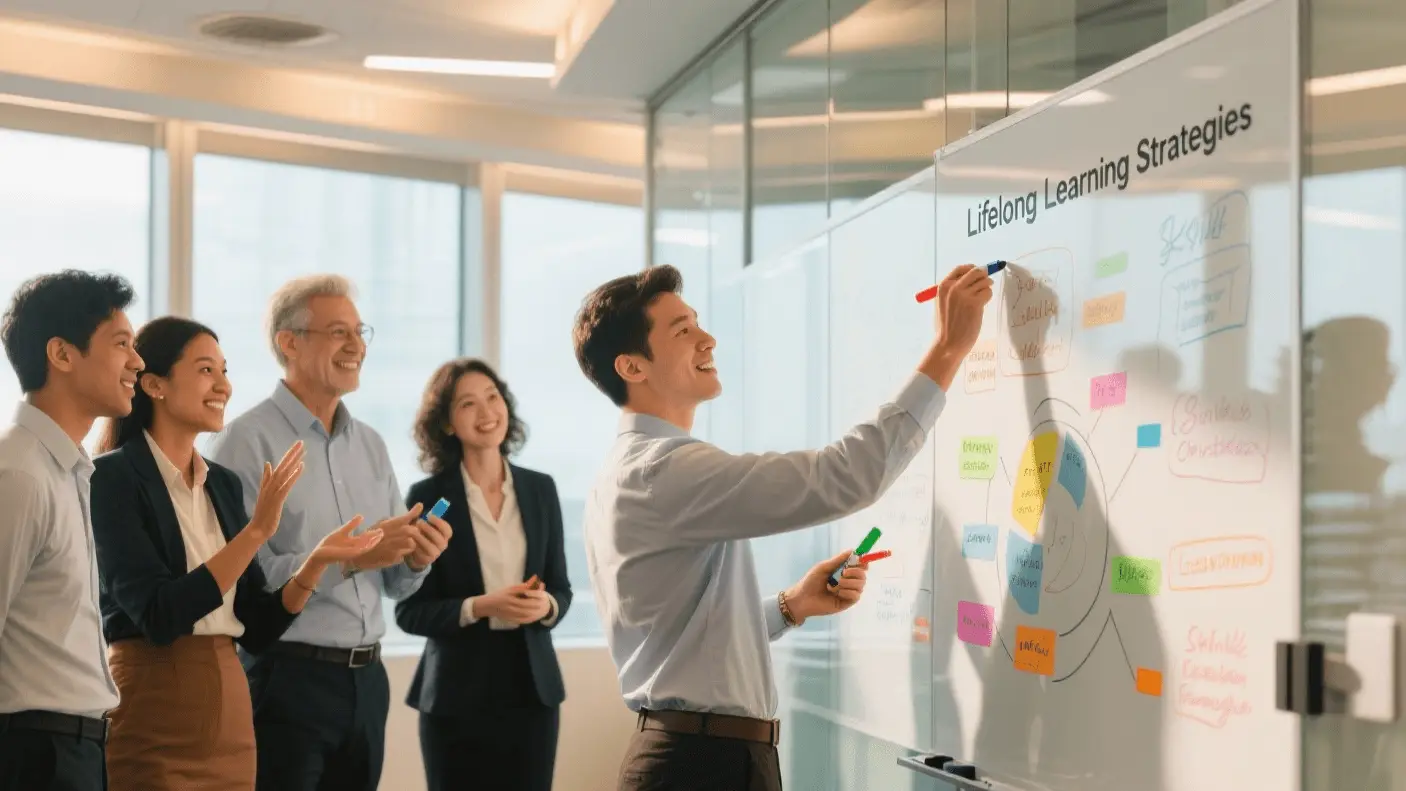
The tech sector exemplifies the urgent need for lifelong learning. In 2023, IBM reported that the half-life of technical skills had dropped to just 2.5 years (Source: IBM Skills Report 2023). That means what you learned in school or your last certification could be obsolete in less than three years. Companies like Google and Microsoft have responded by launching free or low-cost certification programs, encouraging employees and job seekers alike to engage in continuous education.
According to a 2024 LinkedIn Workplace Learning Report, 94% of employees said they would stay at a company longer if it invested in their learning and development. This statistic underscores the correlation between continuous education and employee retention. Moreover, individuals who regularly engage in lifelong learning are 40% more likely to be promoted within their organizations (Source: McKinsey & Company 2024 Study).
Organizations that prioritize a learning culture tend to outperform their peers. For example, AT&T invested over $1 billion in its "Future Ready" initiative, which offers employees access to online courses, coding bootcamps, and internal mobility programs. As a result, more than 140,000 employees have upskilled since the program's launch in 2013 (Source: AT&T Annual Report 2023).
Gallup research shows that employees in learning-rich environments are 3.6 times more likely to feel engaged at work. From an economic standpoint, companies that foster career adaptability through continuous education experience 30% higher productivity and 17% higher profitability (Source: Brandon Hall Group 2023 Study).
To maximize the benefits of lifelong learning, individuals need a strategic approach to skill development. Research from Harvard Business Review (2023) suggests that professionals who follow structured learning plans achieve 58% better career outcomes than those who learn randomly.
Maintaining a learning culture in your personal development requires consistent measurement. A 2024 Udemy report found that learners who tracked their progress were 3x more likely to complete courses and apply new skills effectively in their careers.
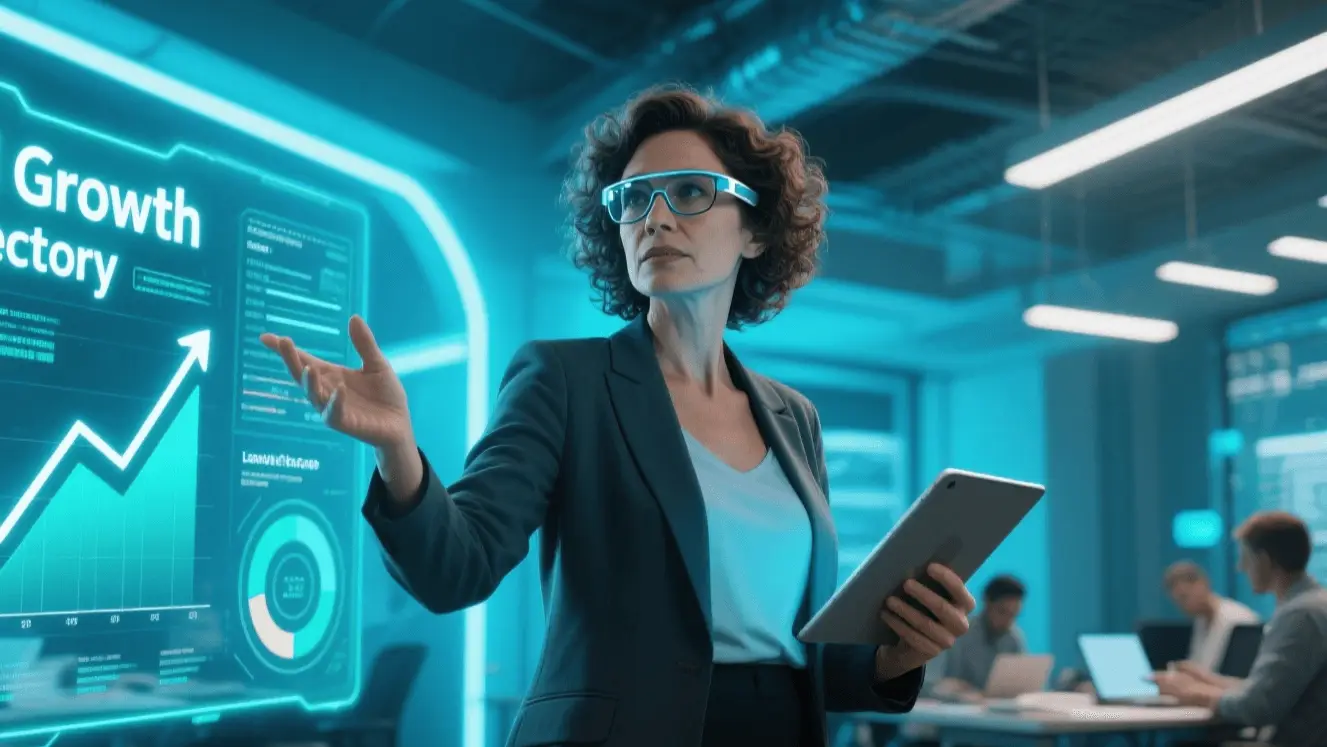
Lifelong learning encompasses all voluntary, self-motivated pursuit of knowledge, including formal degrees, online courses, professional certifications, and even self-directed study through books or podcasts.
Modern continuous education platforms offer flexible options like micro-courses (15-30 minute lessons), weekend intensives, and asynchronous learning that fits around work commitments. Research from Northeastern University (2023) shows that professionals who dedicate just 5 hours weekly to learning see significant career benefits.
The World Economic Forum's 2023 Future of Jobs Report identifies critical areas for skill development: analytical thinking, AI and big data, leadership, and emotional intelligence. These skills complement technical expertise in nearly every industry.
[Disclaimer] The content about The Importance of Lifelong Learning in Today's Job Market provided herein is for informational purposes only and does not constitute professional advice in any related field. Readers should make decisions based on their individual circumstances and consult qualified professionals when necessary. The author and publisher disclaim all liability for any actions taken based on the information in this article.
Thompson
|
2025.08.28
